Operations & Management Systems
The gap between winning business and delivering it
Most businesses manage their sales process in one place and their operations in another. The CRM tracks leads, conversations, and deals. Once a sale is won, the job of actually delivering it — scheduling, production, fulfilment, keeping the customer informed — gets handed off to a spreadsheet, an email thread, or someone's head. It works until it doesn't, which is normally when a business grows and takes on more staff.
This is a gap that off-the-shelf software doesn't solve particularly well. CRM systems are built around winning business — they're excellent at managing pipelines, automating follow-ups, and tracking customer relationships, but they generally stop at the point of sale. ERP systems go to the other extreme: they try to run everything, and in doing so become so complex and feature-heavy that most of the businesses we talk to find them overwhelming, expensive, and full of functionality they'll never touch.
For most of our clients, what's actually needed sits in the middle — a system that handles the sales process and follows through into delivery and operations. One connected picture, from the first enquiry to the completed job.
Off-the-shelf or custom — we'll tell you which makes sense
Before we talk about building anything, we'll have an honest conversation about whether a custom system is actually the right answer for your situation. Sometimes an existing platform with a bit of configuration and integration work is the smarter choice. Sometimes it isn't. We don't have a financial interest in pointing you one way or the other — we get paid for the right advice, not the biggest project.
If custom development is the right route, here's what that typically looks like.
What we build
The most common pattern we see is a business that needs two connected things: a back-office system for their team, and a customer-facing portal that gives clients visibility of the same data.
The back-office side handles the day-to-day running of the business — managing customers and leads, tracking jobs or orders through each stage, handling quotes, approvals, scheduling, or whatever the specific workflow looks like for that business. Built around how you actually operate, not how a generic system expects you to.
The customer portal sits on top of that — giving your customers a clean, secure way to interact with you. Viewing their orders, approving artwork or documents, making payments, tracking progress. Instead of chasing things over email, everything is in one place and up to date automatically because it's all connected to the same underlying system.
Case Example
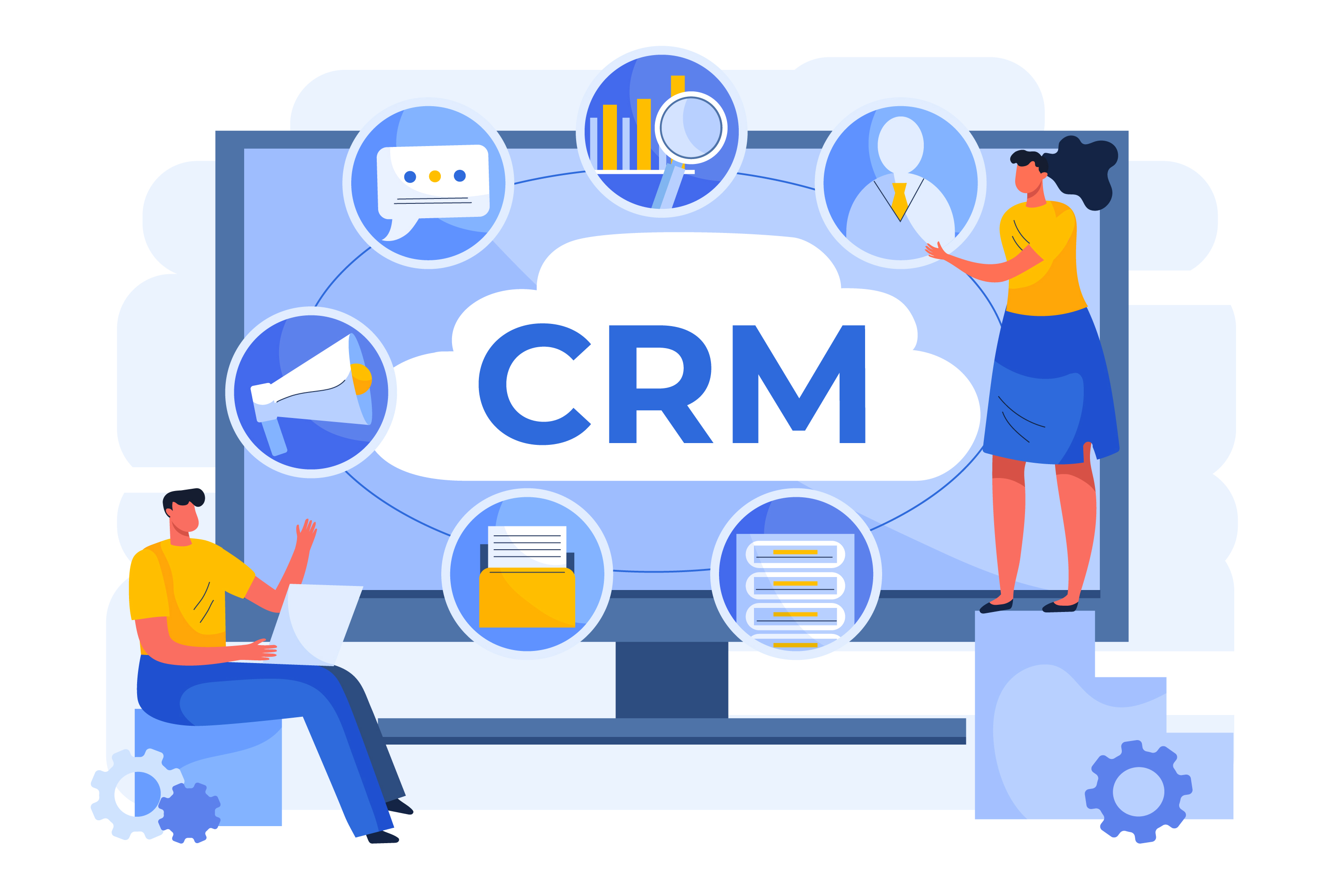
Luke at DPI Signs had tried several off-the-shelf CRM solutions before coming to us. None of them handled the full picture — particularly the job order process, which runs from initial enquiry through quoting, artwork, and production before the job is complete. The CRM tracked the sale; the rest was managed elsewhere. We built him a system that covers the entire workflow in one place: managing leads and customers, handling quotes, tracking each job through the artwork approval and production stages, and a customer portal where his clients can securely view and approve their artwork and pay for their orders online. The result is a single connected system rather than a collection of tools and workarounds — one that takes Luke's team from first contact with a customer all the way through to completed, paid job.
Is this the right conversation to have?
If there's a gap in your business between winning work and delivering it — or if your team is spending significant time jumping between systems and filling in the holes manually — it's probably worth talking through.